

April 29, 2020 //
10:58 am
Working from home was rushed upon many of us at the start of the COVID-19 lockdown. Whether operating from the kitchen table, or perhaps upgrading now to a designated desk, this sudden shift has meant that no proper risk assessments have been carried out. These changes can bring along their own problems and add to our anxiety, especially with the addition of school closures, bringing the kids back home and running around the house all day.
Electricity is part of our lives, we use it all day, from first thing in the morning to last thing at night, it’s easy to forget how dangerous it can be. Working from home, brings in more electrical devices and cabling, leaving us open to a higher risk of home electrical accidents.
Imagine having a fire in your home due to having an incorrect work station, in this article, we will highlight the mistakes people make when working from home.
5 Most Common Electrical Mistakes
#1 Overloading your sockets
When working from home, overloading your sockets is easy to do when setting up in a hurry!
You now have extra devices, a laptop and printer that need power and you want them all within arms reach. You might be setting up your little home office in a spare room or tucked away in a corner – perhaps where you keep high-powered appliances like washing machines and tumble dryers, if they are not integrated into the kitchen. These appliances have a high power consumption and should have a single socket to themselves and not be shared with printers or laptop chargers.
Keep a check of your sockets for danger signs – sparks or scorch marks, smell of hot plastic or fuses that keep blowing for no obvious reason. These are all signs that your sockets are overloaded and overheating.
#2 Not checking your plugs are safe
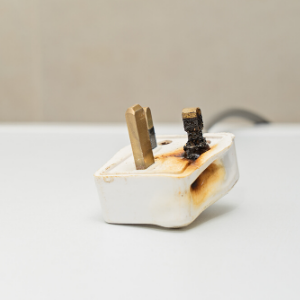
When you are setting up your work from home station, check the plug’s on your electricals. Look for damaged or frayed leads and coloured wires that should be held inside the plug being exposed.
Over time, wear and tear can expose live wires that transmit electrical currents that can lead to electric shocks and fires
#3 Overuse of extension cables
It may seem obvious but it happens more than you would imagine. Don’t ‘daisy chain’ your extension cables. Use only one extension lead per socket, I’ve seen some people plug an extension lead into and extension lead! This causes a high-risk of overloading the wall socket and the extension lead plugged into it.
Avoid the use of block adaptors – those plastic blocks with many sockets on them. These are not very safe as they don’t have a fuse and are not recommended being safe. There is an increased risk of overloading and fire – stick to using a multi-way extension lead.
#4 Not safely charging your devices
Leaving your phone charging, unattended, all night on your bed!! …..
Your phone might be smart enough to know that the battery is full, but your charger doesn’t, especially a cheap charger bought for £1 off ebay! Do you see where we are going here.
Cheap chargers will not have passed stringent UK and EU safety regulations. They are built with cheap wiring and sub-standard components.
Also, avoid universal chargers that claim to work a wide range of mobiles and tablets. Different mobile devices require varying levels of charge, so a single charger may cause your phone’s battery to overheat, charge less efficiently or overheat your socket.
#5 Not checking your smoke detector
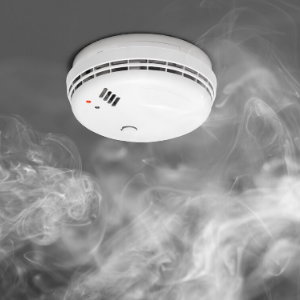
Should the worst happen and an electrical fault starts a fire in your home, a smoke alarm gives you early detection and could be the difference between life and death.
In rented properties and new builds fire detectors will be wired to the mains, with a battery back-up.
Make sure to test your fire alarm regularly to ensure it is in good working order and make sure it is replaced before its labelled expiry date.
Related content – How to choose an electrician?
back to all blogs