

February 9, 2024 //
9:56 am
If you’re interested in installing solar panels on your roof as a means of generating energy for your home, there are a lot of practical considerations to keep in mind.
One of the key things you need to understand is the space required.
In this blog, we will explore how much space you need on your roof for solar panels, alongside a few other things you need to keep in mind.
The size of your roof
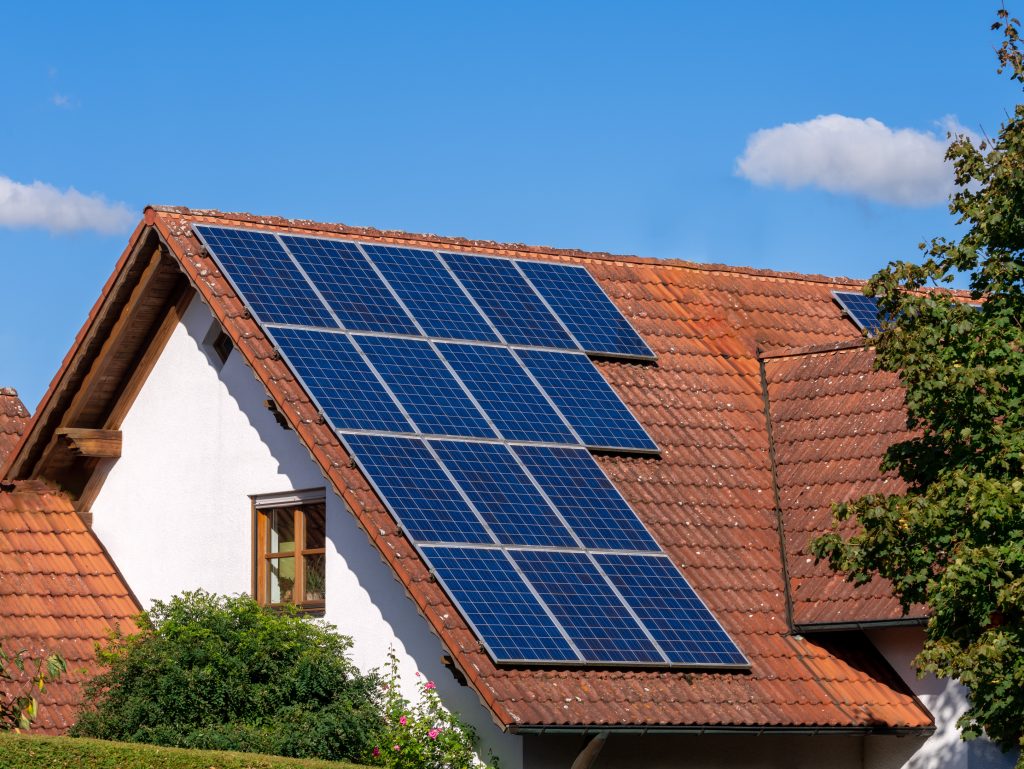
The size of your roof is the most important factor in how many solar panels you can install.
To measure the size of your roof, multiply the length of your roof by your roof slope height. This will give you the total area on which you can place solar panels. Make sure that you measure all the sides of your roof.
In many cases, you will get access to this information from the building plans that came with your purchase of the property. Alternatively, your local council may be able to provide you with this information.
We can also assist you with any measurements when we visit for a complimentary consultation.
Space reductions on your roof
Before you work out the number of solar panels you can fit on your roof, you need to factor in the elements that could reduce your space.
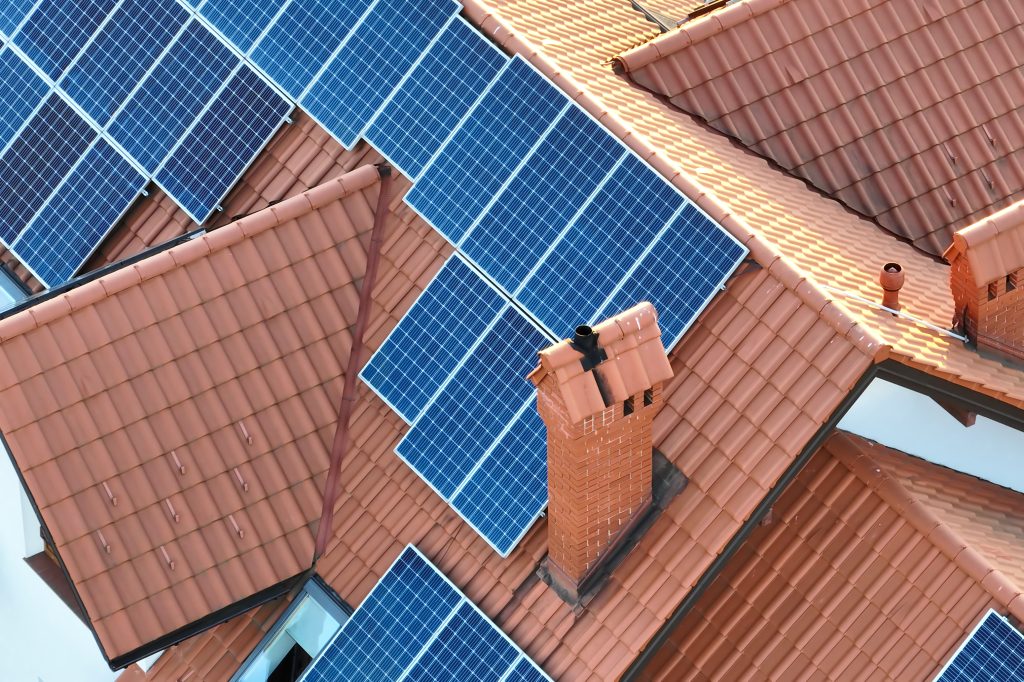
There are various things that you will not be able to place solar panels on top of, including:
- Chimneys
- Skylights
- Windows
- Turrets
- Vents
If your roof has any of these features, you will need to remove them from your total space calculation.
The size of the system you need
Solar panels are manufactured with an average size of around 1722mm by 1134 inches.
Therefore, once you know the total space on your roof, you would divide it by the size of the panels.

You should also factor in having a 30cm margin around all of your installed solar panels. Solar panels shouldn’t go over the edge of your roof as they could be damaged or made loose by high winds.
Solar panel batteries can be installed elsewhere, such as in your home or garage, and so don’t need to be considered as part of the total roof space needed.
At this stage, you will understand the total number of solar panels you can fit on your roof.
Other considerations
Once you know the total number of solar panels you can fit on your roof, you need to consider how many you need.
We estimate that an average one-bedroom house will typically require six solar panels, and a three-bedroom house would require around 10.
Here are a few other factors you need to consider before deciding on how many solar panels to install on your roof.
Optimum placement

Evaluate how much of your roof has direct access to sunlight, and how much is in the shade regardless of the time of day.
A roof with a pitch of between 30 and 40 degrees is optimum for solar panels. You should also consider how much of your roof will access sunlight, and how much is in the shade regardless of the time of day.
How much energy do you need to generate
Another factor is how much energy you want to generate from your solar panels.
This starts with understanding how much energy your household uses. You should invest in enough solar panels to allow you to make savings on energy and reduce your reliance on the grid.
Your budget

Finally, you need to know how much you are willing to spend, as this will contribute to how many solar panels you install on your roof.
According to a recent article from The Independent, the average cost of solar panels for a three-bedroom house – so a 10-panel system – is around £7,000.
Always keep in mind the savings that solar panels will help you to make. Solar panels alone can help you save over £1,000 per year in energy costs, and the addition of a solar battery will add another £125 annually.
We hope that this blog has helped you to understand how much space you need on your roof for solar panels, alongside a few of the other factors to consider before deciding on the number you want to install.
We would love to help you determine the right size of solar panel system for your home. Get in touch to book your free consultation, where we can chat about the size of your roof, your energy requirements, and the number of panels that will best suit your needs.
back to all blogs