

February 9, 2024 //
9:55 am
As the country moves towards improving sustainability in the home, more and more households are embracing clean energy by installing solar panels. Solar Energy UK found that over 1 million homes in the UK had already embraced solar power, with a record-breaking number of installations in 2023.
The thought of generating your own solar power can be daunting, and there are a lot of myths surrounding solar panels. Does the UK get enough sun for them to work? Is it true that you can only install them on south-facing homes?
In this guide, we’ll address these myths and answer some of our most frequently asked questions to help you decide if solar is right for you!
How do solar panels work?
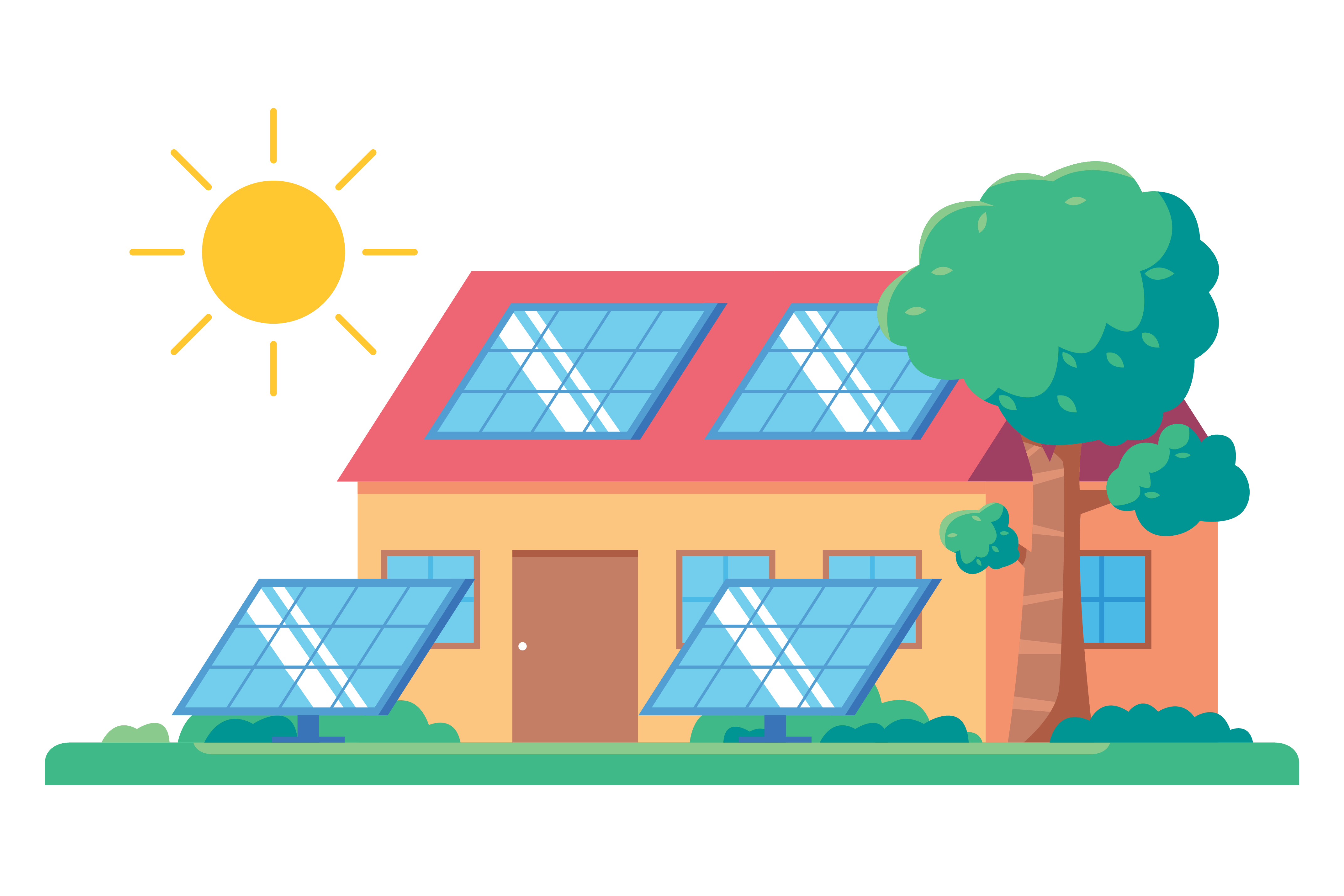
In basic terms, solar panels take in sunlight and turn it into energy to power your home.
Solar panels are made up of photovoltaic (PV) cells. These cells absorb energy from the sun that shines on the panels and turns it into electricity. This electricity can be used to power your home right away.
Any excess that is produced can be kept in battery storage for when your panels aren’t absorbing sunlight, helping you keep energy bills down and become less reliant on the national grid.
Any further excess energy that you produce can go back to the local grid to be used by someone else. In England, Scotland, and Wales, the Smart Export Guarantee tariff allows you to earn money for the extra energy that you generate.
Do solar panels work on cloudy days?
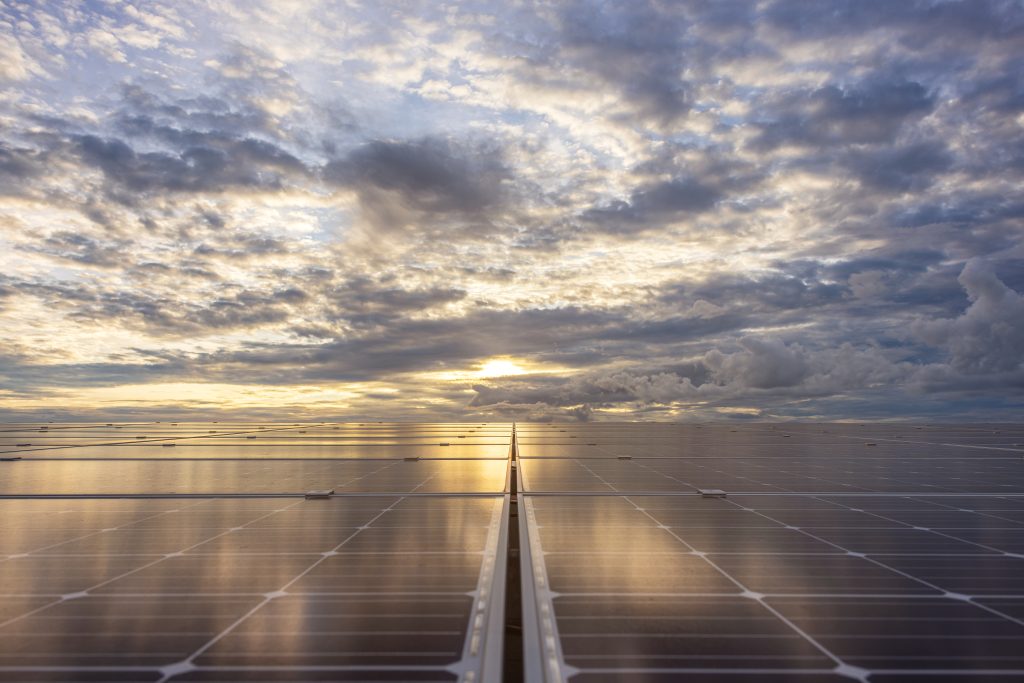
People often assume that solar panels aren’t as effective in the UK because of our trademark gloomy weather. But solar panels can absorb any form of sunlight, even if it’s covered by clouds.
Of course, your solar panels will be more productive on clear, sunny days, but that doesn’t mean they can’t generate energy on grey days too.
Do solar panels only work on a south-facing roof?
If you can, you should always install your solar panels on a south-facing roof. These get the most sunlight during the day and will therefore allow you to generate the most energy for your home.
If it’s not possible to place solar panels on a south-facing roof, then the next best option is to install them on east-facing or west-facing roofs. We strongly advise against using a north-facing roof for your solar panels as they will absorb much less direct sunlight.
During your initial consultation, we can provide expert guidance to help you get the most out of your solar panels.
Can solar panels withstand adverse weather?
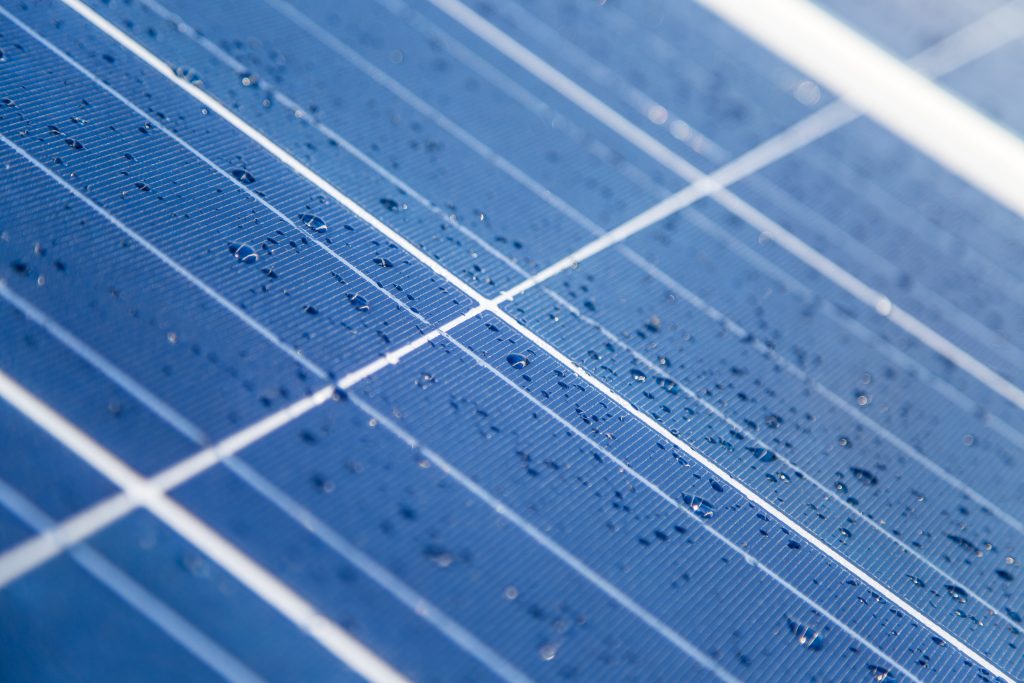
Modern solar panels are waterproof and windproof so they are built to last in even the most difficult UK weather. With the proper installation, they should stay safe and secure during stormy weather.
In a snowstorm, you might find that your solar panels produce less energy, but they won’t sustain any damage and will return to their normal production levels once the snow clears away.
We hope this blog has given you a better understanding of how solar panels work and why they are a highly effective way to generate clean energy for your home.
If you would like to learn more about installing solar panels at your home, the Cerretti Electrical team is here to help.
You can find out more about our solar panel installation services here, or get in touch today!
back to all blogs