

May 10, 2021 //
4:57 pm
By the year 2030, the sale of petrol and diesel vehicles will be banned in Scotland and the rest of the UK.
This has driven an increased demand for electric vehicles, with an estimated increase of 180% in sales over the last year.
Many people have reservations about switching to electric cars, and this is usually down to a worry about the ease of charging them.
Will it be less convenient than a petrol or diesel car?
We usually recommend that if you are planning on buying an electric car that you install a charging port in your home. This means you can charge it as and when you wish, and you don’t need to worry about running out of power on the road.
But do you need a dedicated charging port for an electric vehicle?
In this blog we’ll look at whether or not you need to install a dedicated charging station for your electric vehicle, or whether you can use the power points already in your home.
Related content: Is there a government grant scheme for fitting an EV charging station in your home?
Do you need to install an Electric Vehicle charging port?
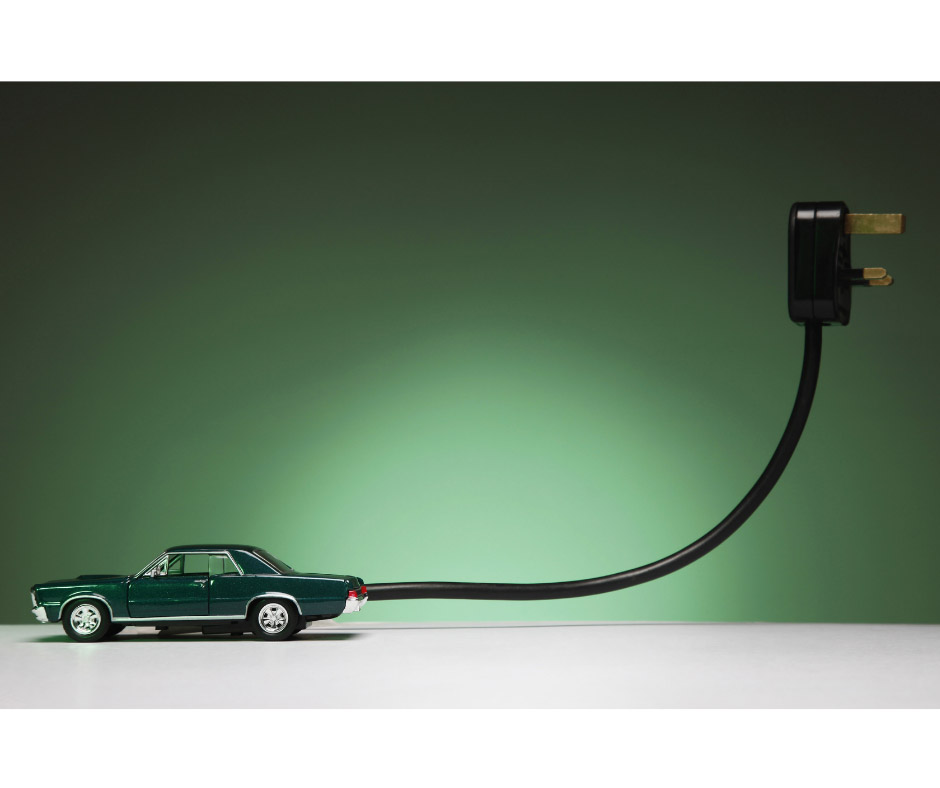
The short answer is no! You don’t need to install a dedicated charging station for your electric car.
Most electric cars in the UK are compatible with standard 3-pin plug sockets. Which, in a way, is great news as it removes one of the main barriers that many people face when deciding whether or not they want to switch to an electric car.
All you just need the right charging lead, and access to a power socket near where the car will be parked (we don’t recommend that you run an extension cable to charge).
However, we would usually recommend that this is only used as a back-up option, rather than as the main charging method.
This is because a 3-pin socket usually has a maximum 3kW power rating. Not only does this put a lot of strain on your circuit for hours at a time, which can be dangerous.
But, it will also be very slow to charge. Charging a typical 40kWh – 60kWh electric vehicle battery from flat to full, would take between 17-20 hours on average. Which isn’t really going to be convenient for most people.
It takes a few minutes to fill up a car with petrol. And while no electric chargers are quite as fast as that yet, the aim is to charge the cars as fast as possible so the driver is not inconvenienced.
How do we recommend that you charge your electric vehicle?
Most people who buy an electric car will go down the route of installing a dedicated electric vehicle home charger.
This will typically deliver between 3.7 and 7kW of power, which significantly reduces the charging times. It will take approximately 8 hours to fully charge a car battery with a dedicated charging point. However, most people don’t let it fully run flat so it will just be a case of topping it up.
This is definitely what we would recommend. Although there is an upfront cost associated with installing the charging station, it will be much faster and more convenient for you.
How much does it cost to install a dedicated Electric Vehicle charging port?
Electric Vehicle charger stations for your home can range between £300 – £1000 for a standard charging point.
There are some grants to help you cover the cost of supply and installation of a home charging station.
The Office for Low Emission Vehicles (OLEV) grant is also known as the Electric Vehicle Homecharge Scheme (EVHS), and offers the grant for installation of home charging stations. This grant provides £350 off the cost of the supply and installation of a home charging station for an electric car.
In addition the Energy Saving Trust (EST) will provide up to £250 further funding. This means that many installations of home charging ports in Scotland will not cost you anything.
To qualify for the OLEV of the EST grant, you need to have off-street parking (ie a driveway or a garage) and you must use an OLEV-approved home charging point installer, such as ourselves.

Related content: How much does it cost to install an Electric Vehicle (EV) car charging port?
Summary: Do you need to install a dedicated charging port for an electric car?
In short, no. You don’t need to install a charging point for your electric vehicle. You can use a lead and a standard 3-point pin socket.
However, this is not what we would recommend.
While you’ll save money up front, the convenience of installing a charging point for your electric car far outweighs the costs. Especially if you are able to secure a grant to help cover the installation costs. You’ll be able to fully charge your car in around 8 hours, compared to around 20 on a standard UK plug.
If you are looking to have a dedicated electric vehicle charging point installed then get in touch, the team at Cerretti will be happy to help.
back to all blogs