

September 23, 2026 //
12:00 pm
As a business owner, your monthly electricity bill is probably not something you look forward to every month. It might seem slightly confusing, with so many parts that make up the final amount you owe. You might scrutinise it every time, or just let it roll out of your bank account.
No matter what you do, understanding your bill properly is the best way to make sure you’re getting the best deal on your electricity, identify where money could be saved, and see how you use energy throughout the day.
In this blog, we’ll explain exactly what the terminology that is used in each part of your energy bill actually means, so you can have more confidence in your energy contract and better understand your business’s suitability for solar energy.
Standing charges
This is a fixed daily fee that you pay for being connected to the electricity supply. It doesn’t change based on how much electricity you use, and you will still be charged this fee even if you don’t use any at all. It can change every three months based on the Ofgem energy price cap if you’re on a flexible tariff.
Unit rates
This is the price you pay per unit of energy consumed, which is measured in kilowatt-hours (kWh). The more energy you use, the more you pay. To calculate your cost, just multiply your unit rate by the number of KwH used. For example, if your unit rate was 20p, and you used 5 kWh, you’d pay £1 plus your standing charge.


Half-hourly meters
These are meters that record how much electricity you use every half an hour. That means it’s recorded 48 times a day. Larger businesses must have half-hourly meters, as their energy consumption can have wider effects on the whole grid, and so needs to be more closely monitored. A half-hourly meter gives you much more in-depth data on your usage patterns, so you can identify where your electricity needs are highest.
Demand
Demand is how much electricity you’re using at any given moment, which is measured in kilowatts (kW). It changes from moment to moment, while consumption measures what you use over a period of time, such as in 30 minutes, an hour or a day.
Maximum import
Maximum import is the highest level of demand that your business can use from the grid at any one time, which will be set out in your connection agreement. This is set to ensure that the grid runs properly and can supply all customers in your area. If you go over your maximum import, you may disrupt electricity supply for your neighbours, incur penalty fees or require a costly fix.
Three phase

This is a type of electrical supply using three alternating currents (rather than a single phase, which is used in most homes). It uses additional wiring and is more efficient for running heavy machinery, making it suited for businesses in the construction, engineering and manufacturing sectors. If your bill says three phases, it means your needs and consumption are greater than those of other businesses.
Time-of-use tariffs
These are tariffs where the unit rate changes depending on when electricity is used. Electricity is generally more expensive during high-demand periods (such as in the evening as everyone cooks their dinner!) and cheapest at night. These tariffs require a half-hourly meter so the supplier can know exactly when you’re using power, and are a way to save money if you can use your machinery during off-peak hours.
Could Solar Lower Your Bill?
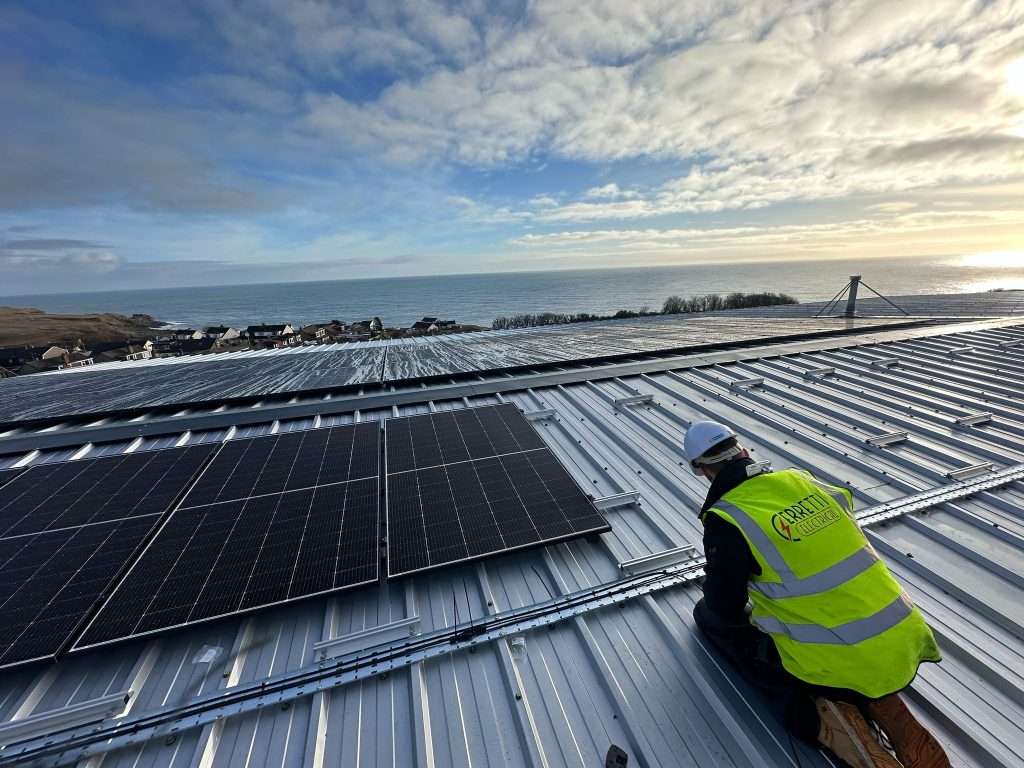
Now that you know how to understand your energy bill, you’ll be more able to make an informed decision on the impact that installing solar panels could have for your business. If you’re interested in a quote, your local solar experts at Cerretti Electrical can help. Just let us know a bit about your business and we’ll guide you through the whole process so you can begin to save money on your bills, have more energy security and operate more sustainably.
back to all blogs