

September 15, 2021 //
11:42 am
More and more people are wanting to buy electric vehicles, but are put off by the perceived need for a home charge point. Whether it’s the cost, a lack of off-street parking, or issues from landlords, there can be a number of reasons why you can’t or won’t want a charging point.
Dedicated chargers are the safest way to charge your car, but there are other ways to live the electric vehicle lifestyle without one.
However, safety and security should remain your top priorities and we would advise you to speak to a qualified electrician (like ourselves), or an electric vehicle specialist if you are unsure in any way about what you are doing.
How to charge your electric car at home
Standard 3-pin plug
Most electric vehicles will come with a 13amp cable with a car charging plug on one end, a small box in the middle, and a standard 3-pin wall plug on the other.
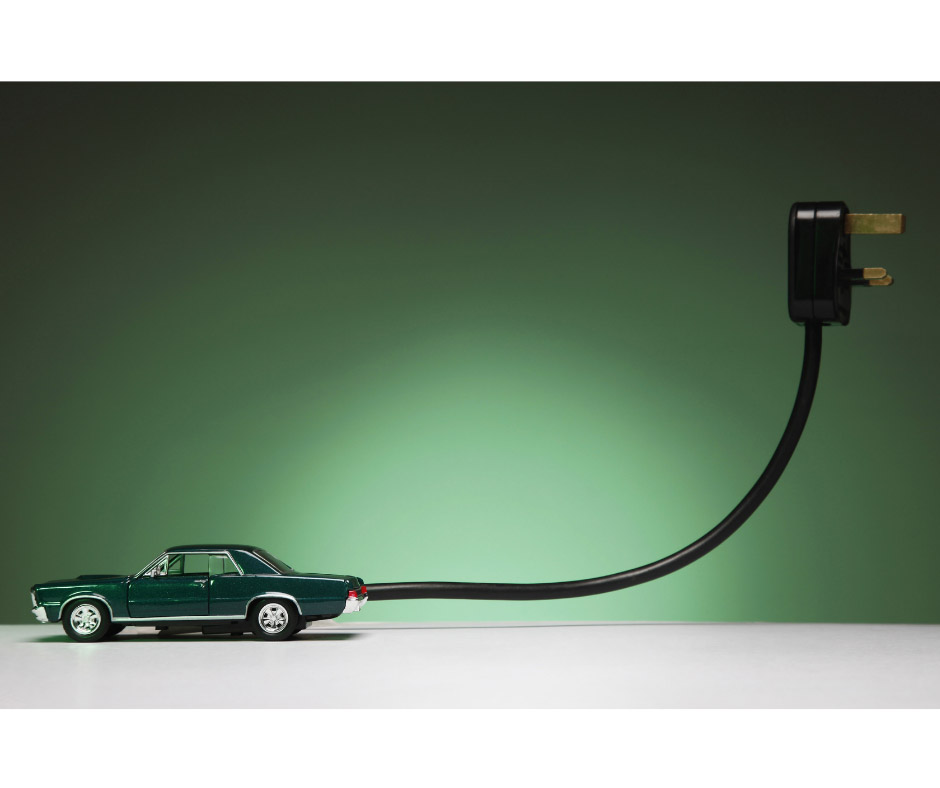
Known colloquially as a ‘granny charger’ it is the slowest way to charge, taking upwards of 15 hours in some cases. Generally they are safe, however there are risks of them overloading your home’s electrical systems if they’re used at the same time as other high power draw items such as storage heaters and electric showers.
Generally, the cable is also not particularly long, meaning many owners will reach for an extension cable, and this is where the risks increase because:
Disadvantages of using an extension cable
- Many extensions are manufactured from cable which is not sufficiently large in diameter (normally 1mm2 or 1.25mm2) to handle the relatively high sustained 10-13A current required.
- Most are rather long. Think of a cable like a water pipe. If you want high pressure at the end of your 10m garden, you’re not going to achieve it if you use a hosepipe the size of a drinking straw! The longer the distance, the larger diameter you need to sustain the same flow.
- Almost always extension cables are made from PVC or standard flex. Despite frequent claims that this cable is ‘heavy duty’, it is far from it. It is prone to mechanical and UV damage and is not recommended for use outdoors or below 5°C.
Thankfully there are ways around this, starting with a truly heavy duty extension cable of around 1.5mm sq and rated around 15 amps so it can easily handle the load required by the car. Another option is to use a weatherproof external socket if one is available.
Electric vehicle charging point at home
A home charge point is the safest and easiest way to keep your electric vehicle topped up at home. They run on a separate circuit from the rest of your home electrics, and will charge at a much faster rate than a three-pin cable.

For more information on having home charger installed, check out some of our previous posts:
How much does it cost to charge an electric vehicle (EV) at home?
What is the process of installing an electric vehicle (EV) charging port in your home?
How to safely charge your car away from home
What can you do though if you are away from home or are unable to charge at home at all – can you still have an electric vehicle?
The answer is, in most cases, yes! Scotland has one of the most comprehensive networks of publicly available charging stations in the world thanks to the Chargeplace Scotland network.
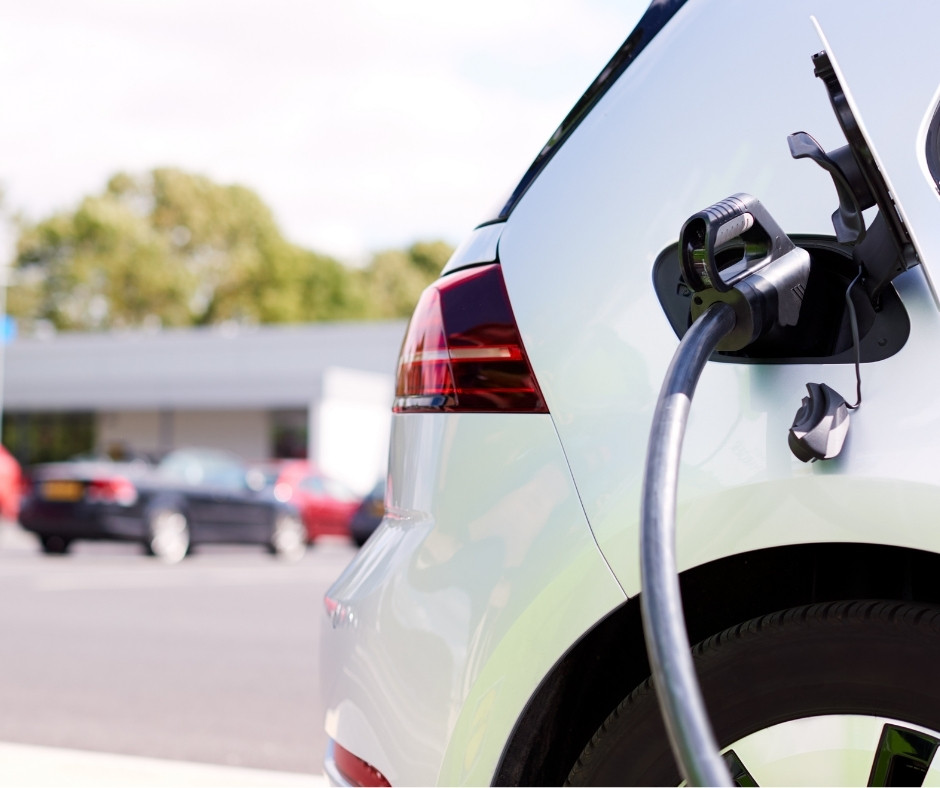
There are around 1500 public chargers in Scotland (vs around 800 petrol stations) located in towns, cities and even the most rural areas. Many businesses also have chargers on site for the use of staff and visitors and supermarket chains and shopping centres are all installing chargers for customer use.
With most modern electric vehicles having a real-world range of over 200 miles and the average UK commute being a 23-mile round trip, many drivers can get away with one or two charging sessions per week.
However, chargers are not universally available and some regions are still lacking, also as the number of electric vehicles on the roads increases, so too does the demand for chargers meaning you could drive to one to find it occupied.
Should I get a charger at home?
The short answer is yes – if you can. A dedicated home charge point is the safest and most efficient way to charge your car regularly and, thanks to grants from the UK and Scottish Governments they are also affordable (even free in some cases) and can be installed on a driveway or in a garage.
Related content: Is There a Government Grant Scheme Available for Installing An Electric Vehicle (EV) Charging Port in Scotland?
If you would like to chat about charging options, feel free to give us a call and we will do our best to help!
back to all blogs