

December 14, 2020 //
1:11 pm
It’s important, now more than ever, to have the correct fire and smoke detectors installed in your home. Modern furnishings are more conducive to spreading fire, and sufficient and properly located alarms can ensure that if the worst should happen, you and your family are alerted as soon as possible.
For many years, regulations around fire standards in housing have existed, but new legislation has been introduced as a direct result of recent fire tragedies.
The Ministerial Working Group on Building and Fire Safety was established in order to review Scotland’s building and fire safety regulatory frameworks. As part of this work, the group agreed that improvements to fire and smoke alarm legislation should be prioritised.
The Scottish Government are taking steps to strengthen home fire safety by:
- introducing minimum standards for smoke alarms
- improving fire safety for people living in high-rise flats
- providing new fire safety guidance for existing specialised housing and similar premises
In February 2019, The Scottish Government introduced legislation that outlines standards for fire and smoke alarms in all domestic properties.
This blog will explore the new fire and smoke alarm standards that come into effect in February 2022 , and will help you understand what you need to do in order to comply with them.
How many smoke and fire alarms are required to meet the new fire safety standards?
The new legislation outlined by The Scottish Government mandates that all domestic properties in Scotland should have the same levels of detection; which will have the effect of increasing overall fire safety.
These measures are mandatory by February 2022. From this date onwards, all homes must be fitted with:
- a smoke alarm in the living room and in circulation spaces such as hallways and landings
- a heat alarm in every kitchen
- all alarms ceiling mounted and interlinked
- a carbon monoxide alarm where there are fixed combustion appliances such as boilers and wood burners
- All smoke and heat alarms should be ceiling mounted and interlinked
Plus, if you have a carbon-fuelled appliance (such as boilers, fires etc.) or a flue, then a carbon monoxide detector is also required. This does not need to be linked to the fire alarms.
Read more about the new standards for fire and smoke alarms being introduced in all homes from February 2022.
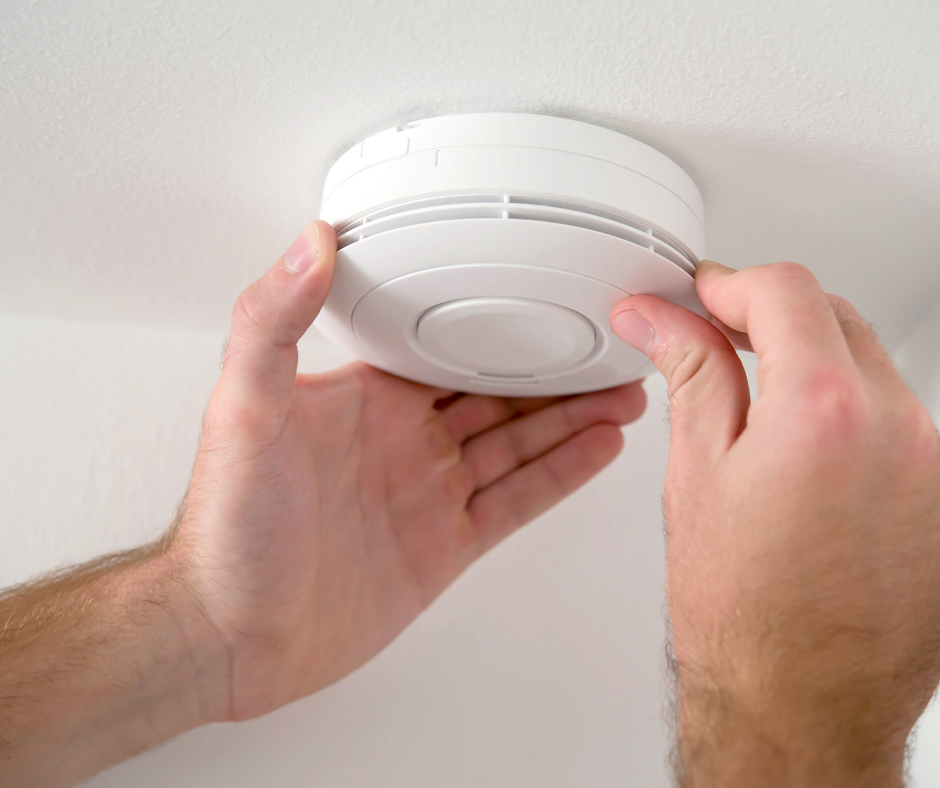
Are my current smoke alarms suitable under the new legislation?
You’ll hopefully already have smoke alarms installed in your home. However, this new requirement means that you will need to have all your smoke and heat alarms interlinked. This ensures that even if you don’t hear the alarm closest to the fire you and your family will still be alerted immediately.
The new regulations cover all homes including private and social housing. It will be the property owner’s responsibility to meet the new standard and ensure the housing is safe.
What type of alarms should be installed in my home?
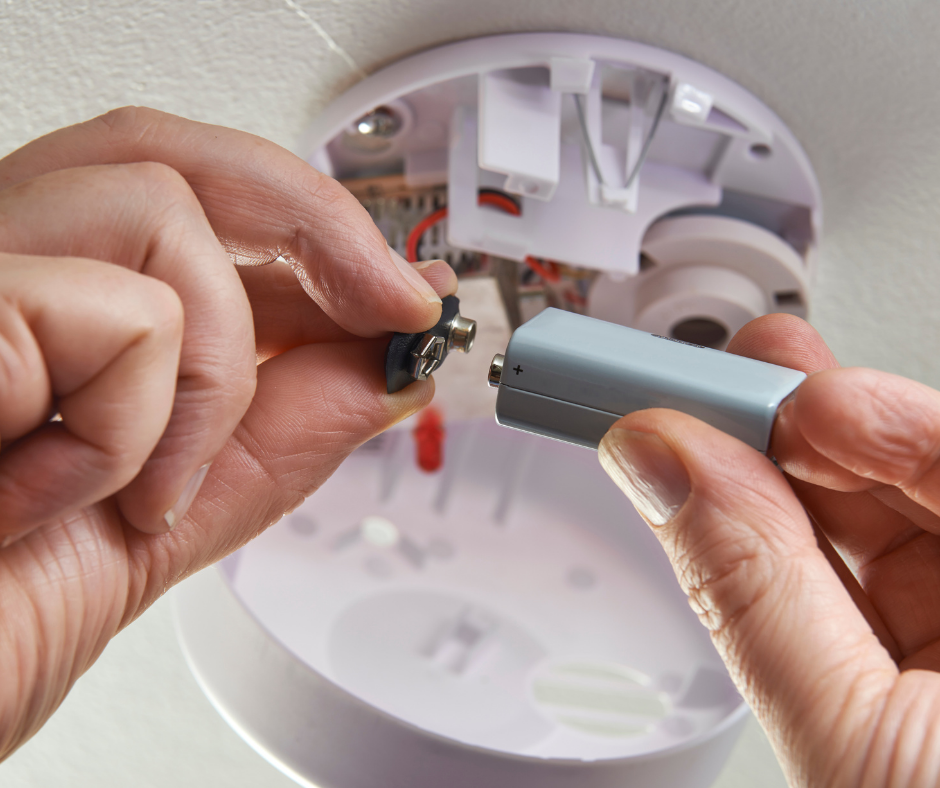
There are a couple of different options when it comes to installing fire alarms in your home. You can install long-life lithium battery alarms, or you can install mains-wired smoke and fire alarms.
Mains-wired alarms are generally cheaper, however they will need to be installed by an electrician so you will need to factor this into your costs.
Both types of these alarms meet the new standards, and they are both widely available in DIY and hardware stores.
How much will interlinked fire alarms cost?
The cost of the alarms will vary according to what you currently have in place and what alarms you choose to install.
As an example, an average three bedroom house which requires three smoke alarms, one heat alarm and one carbon monoxide detector will be around £. This is based on the installation of
Of course, the exact cost of the installation will depend on a number of factors including:
- Where do you live?
- What electrician you use…
Find out more about the cost of an electrician: How much does an electrician cost?
In Summary: Do you need interlinking fire alarms in Scotland?
So, in short, yes. As of February 2022 you will need to ensure that the fire and smoke alarms in your home comply with the latest government regulations.
This may mean that you have to install new alarms, or ensure the existing ones in your home are interlinked.
This is something that we can help with at Cerretti, so get in touch with us if you want to make sure your home fire and smoke alarms are safe and compliant with new regulations.
back to all blogs