

October 7, 2020 //
8:51 am
If you own a property such as a house, a flat, or a bedsit and let it out to someone else then you are likely to be a landlord in the eyes of the law . There are some laws in Scotland that differ to the rest of the UK, one in particular is that as a landlord you need to be registered with the local authority.
Keeping on top of electrical safety certification is one of those tasks that can easily drop off your radar if you are a private landlord, especially if you are not an organised person by nature.
All electrical installations deteriorate with age and use. Faulty and old wiring is one of the main causes of electrical fire, with most accidents in the home related to faults or misuse of domestic appliances.
It doesn’t matter if your property is domestic or commercial it must be checked at regular intervals.
In this article we will explain what is required by law to keep your properties in good electrical condition.
Gaining the correct electrical safety certification – All you need to know!
It isn’t the most exciting of jobs for a landlord, however it is a very important one. We suggest, certainly if you have more than one property let, to schedule when you have your electrical safety checks completed in your diary and set reminders for when they are next due. Read on for more information of when you need to carry out inspections.

#1 What electrical safety certification do landlords need in Scotland?
A landlord electrical safety inspection has two parts:
- An Electrical Installation Condition Report (EICR) which covers:
The electrician will carry out checks of installations for the supply of electricity, electrical fittings (including but not limited to switches, sockets and light fittings) and fixed electrical equipment (including but not limited to boilers, panel and storage heaters and hard-wired smoke and fire detectors).
- A Portable Appliance Test (PAT)
The PAT test covers any movable electrical equipment that the landlord has provided as part of the tenancy agreement (refrigerators, toasters, TVs, etc.). It is worth noting that a PAT test is not required on electrical appliances belonging to your tenant.
Additional notes:
New build or fully rewired properties
If you are letting a new build property or a property that has been recently rewired you may have an Electrical Installation Certificate (EIC) certificate, rather than an (EICR). You can provide this to demonstrate that your property complies with the new guidance, provided that the date of the next inspection indicated on the certificate has not elapsed.
House of multiple occupancy ((HMO)In order to attain an HMO certification, your electrical inspection also needs to cover :
- Emergency lighting test
- Fire/Smoke alarm test
Such properties include, but are not limited to: those rented to students, young professionals, migrant workers and tied accommodation.
Related content – How to Choose an Electrician?
#2 What actions do landlords need to take?
After the electrical inspection, the electrician will produce an EICR document that highlights any problems using different classifications:
- C1 (Danger present) – Immediate remedial action required
- C2 (Potentially dangerous) – Urgent remedial action required
- C3 (Improvement recommended)
- FI (Further investigation required)
Any remedial work that is undertaken as a result of the inspection will then be recorded on a Minor Electrical Installation Works Certificate.
Before advertising, a landlord in Scotland must ensure they have met the Repairing Standard and the Tolerable Standard, which were introduced by the Housing (Scotland) Act 2006.
The Repairing standard means the property must meet a basic level of repair, including being wind and watertight, the structure and exterior are in a reasonable condition and water, gas, electricity and sanitation installations are in good working order.
#3 How often do landlords need to renew their electrical safety certification?
Landlords are required to ensure that electrical safety inspections are carried out regularly, and that the property is in a satisfactory condition.
To ensure the safety of your tenants, electrical installations should be inspected and tested:
- Before a tenancy starts
- During the tenancy, at intervals of no more than five years from the date of the previous inspection
A copy of the most recent electrical safety inspection reports must be provided to both new and retained tenants.
#4 Who should carry out the landlord electrical safety inspection?
The landlord is responsible for ensuring the person completing the Electrical Installation Condition Report (EICR) is suitably competent.
Using a firm that is a member of an accredited registration scheme operated by a recognised body will give confidence that this has been achieved.
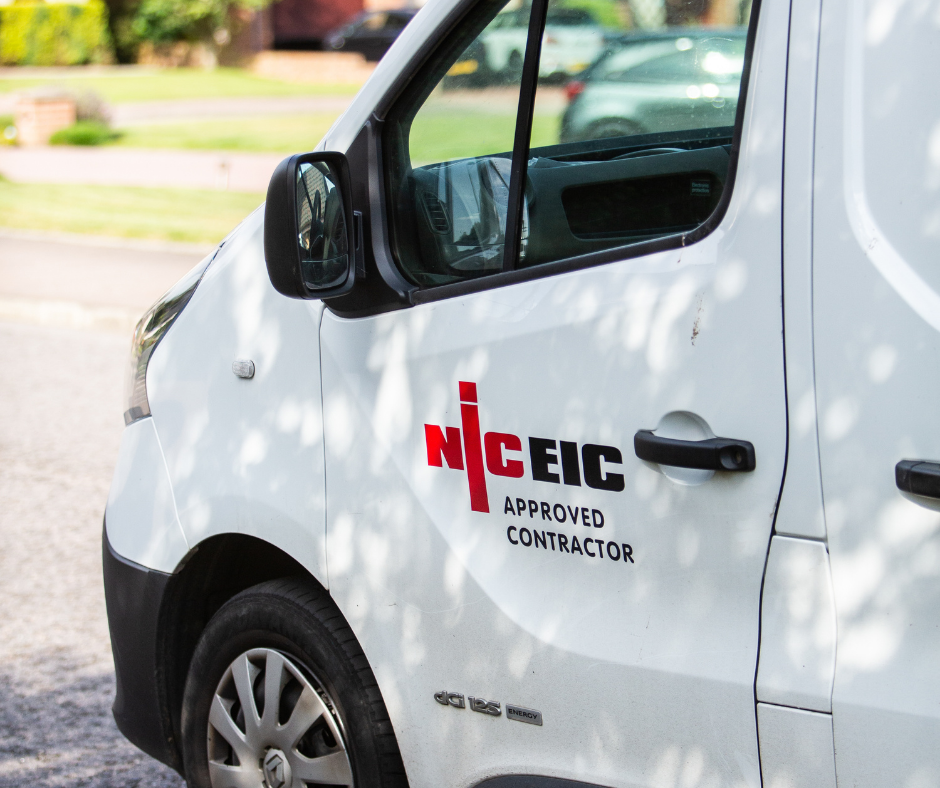
These registered bodies include:
- An NICEIC approved contractor – You can search for an approved contractor here
Related content – Why choose an NICEIC Approved Electrician?
- National Association of Professional Inspectors and Testers (NAPIT) – You can search for an approved inspector here
- Your PAT testing must be carried out by either a registered electrician or any person who has completed appropriate training as a PAT Tester (which can include the landlord).
In Summary
As a landlord, you have a responsibility to keep on top of the wear and tear that can happen to your property’s electrics over time.
The main points to take away are; in Scotland you must register with your local authority as a landlord and you need an Electrical Installation Condition Report (EICR) and a Portable Appliance Test PAT test scheduled every 5 years or before a new tenancy .
If you are leasing a new build an Electrical Installation Certificate (EIC) is acceptable and houses of multiple occupancy (HMO) require further emergency lighting and smoke alarm testing.
It is also your responsibility to ensure the person completing all your certification is competent. Using an electrician that is part of a registered body will ensure that you have achieved this, such as an NICEIC approved electrician or a member of the National Association of Professional Inspectors and Testers (NAPIT).
Need help with your certification requirements?
back to all blogs